
Best Crops to Grow in an Aquaponics Greenhouse
A practical crop-planning guide — leafy greens, herbs, fruiting crops, specialty varieties — and how to match them to your system, climate, and customers.
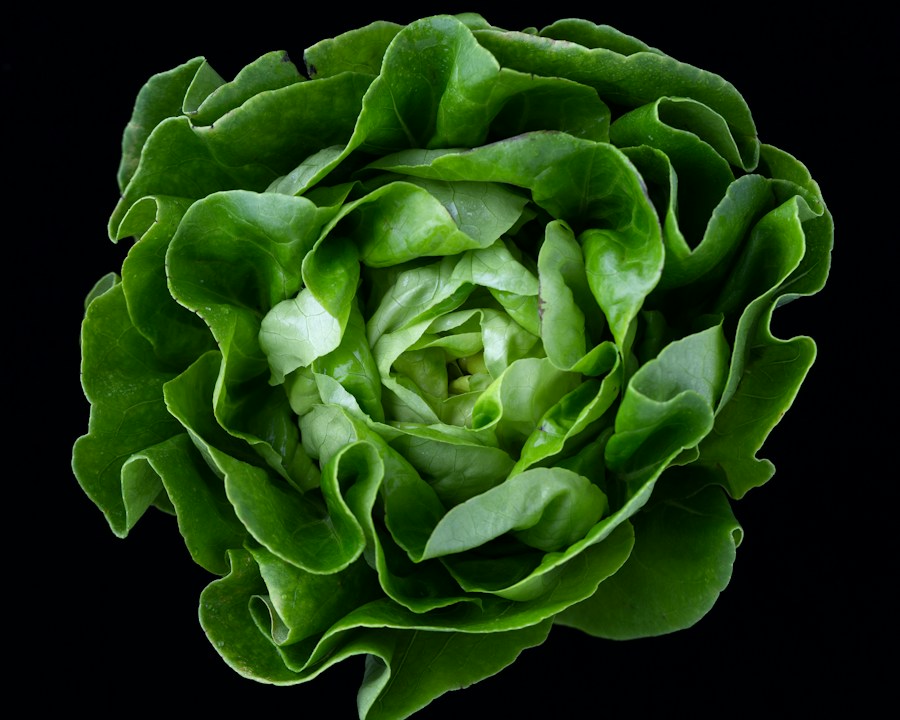
The best crop for an aquaponics greenhouse is not simply the crop that grows fastest. It is the crop that matches the system's nutrient supply, climate, labor capacity, harvest schedule, and customer demand. Leafy greens and herbs are common starting points because they grow relatively quickly and can perform well in recirculating systems. Fruiting crops can also succeed, but they generally require more space, time, support, and nutrient management.
Leaf lettuce
Lettuce is one of the most widely grown aquaponics crops. It has a relatively short production cycle, performs well in raft and channel systems, and can be sold as heads, living lettuce, or salad mixes. Butterhead, romaine, oakleaf, and specialty varieties offer different textures and price points. Heat-tolerant cultivars and greenhouse temperature control are important in warm regions.
Basil
Basil can deliver strong value per growing space when local restaurants, markets, and households buy consistently. Genovese basil is familiar, while Thai, lemon, purple, and specialty varieties can serve chefs and niche customers. Basil prefers warm conditions and regular harvest. Good airflow, sanitation, and careful handling are essential because leaves can bruise and shelf life may be limited.
Mint and other culinary herbs
Mint grows vigorously and can be attractive for beverages, restaurants, markets, and wellness products. It should be managed carefully because roots can spread and clog channels. Cilantro, parsley, dill, chives, oregano, and other herbs may also fit the crop plan. Each has different germination, temperature, and harvest requirements, so the nursery schedule should be designed around weekly sales.
Kale, Swiss chard, and leafy greens
Kale and Swiss chard can provide repeated harvests and strong visual appeal. Arugula, mustard greens, spinach, bok choy, and specialty Asian greens may diversify the product line. Some crops tolerate heat better than others, while spinach can be challenging in warm water and warm greenhouse conditions. Variety trials are essential before committing a large percentage of production space.
Tomatoes, cucumbers, and peppers
Fruiting crops are possible in media beds, Dutch buckets, or other supported configurations. They require trellising, pruning, pollination, and a longer crop cycle. Their demand for potassium, calcium, and other nutrients can exceed what a young or lightly stocked aquaponics system supplies. Operators may need carefully selected supplements that are safe for fish and bacteria.
Strawberries and specialty crops
Strawberries can create a premium product and a strong tour experience, but they require attention to variety, root health, pollination, humidity, and disease control. Edible flowers, microgreens, specialty lettuces, medicinal herbs, and culturally important crops may also command higher prices. These products should be tested with real buyers before production is expanded.
Match crops to the system
Deep-water culture is often used for lettuce and leafy greens. Nutrient film channels can support smaller-rooted crops but require dependable flow and clean water. Media beds can provide root support and additional biological surface area. Vertical systems maximize space but may create uneven light, temperature, and maintenance demands. Crop selection should follow the hydraulic and structural design of the facility.
Match crops to the climate
Greenhouse conditions determine what can be grown economically. A crop may survive summer heat but produce poor quality, bolt, or develop bitterness. Winter production may require heating or supplemental light. Operators should track air temperature, water temperature, humidity, light, and crop quality throughout the year. Seasonal crop plans may be more economical than forcing every crop to grow year-round.
Match crops to buyers
Restaurants may want consistent specialty herbs and chef-sized quantities. Grocers may require standardized heads, packaging, and dependable weekly volume. Farmers markets reward visual variety and direct engagement. Subscription customers value a changing mix. The best crop plan combines anchor products with limited specialty items, reducing risk while keeping the offering attractive.
Use trials and records
Before scaling a crop, test multiple varieties and record germination, days to transplant, days to harvest, average weight, quality, loss rate, labor, selling price, and customer feedback. The most profitable crop may not have the highest price; it may be the one that turns quickly, sells reliably, and uses little labor. Data should guide the final production mix.
Conclusion
Lettuce, basil, mint, cilantro, kale, Swiss chard, arugula, and other leafy greens are strong candidates for many aquaponics greenhouses. Fruiting and specialty crops can expand the product line when the system is mature and the market is proven. The best crop portfolio is balanced across biology, climate, operations, and sales.
Call to Action
Aquaponics Lifestyle can help develop a crop plan that connects greenhouse conditions, system design, production scheduling, and target customers.
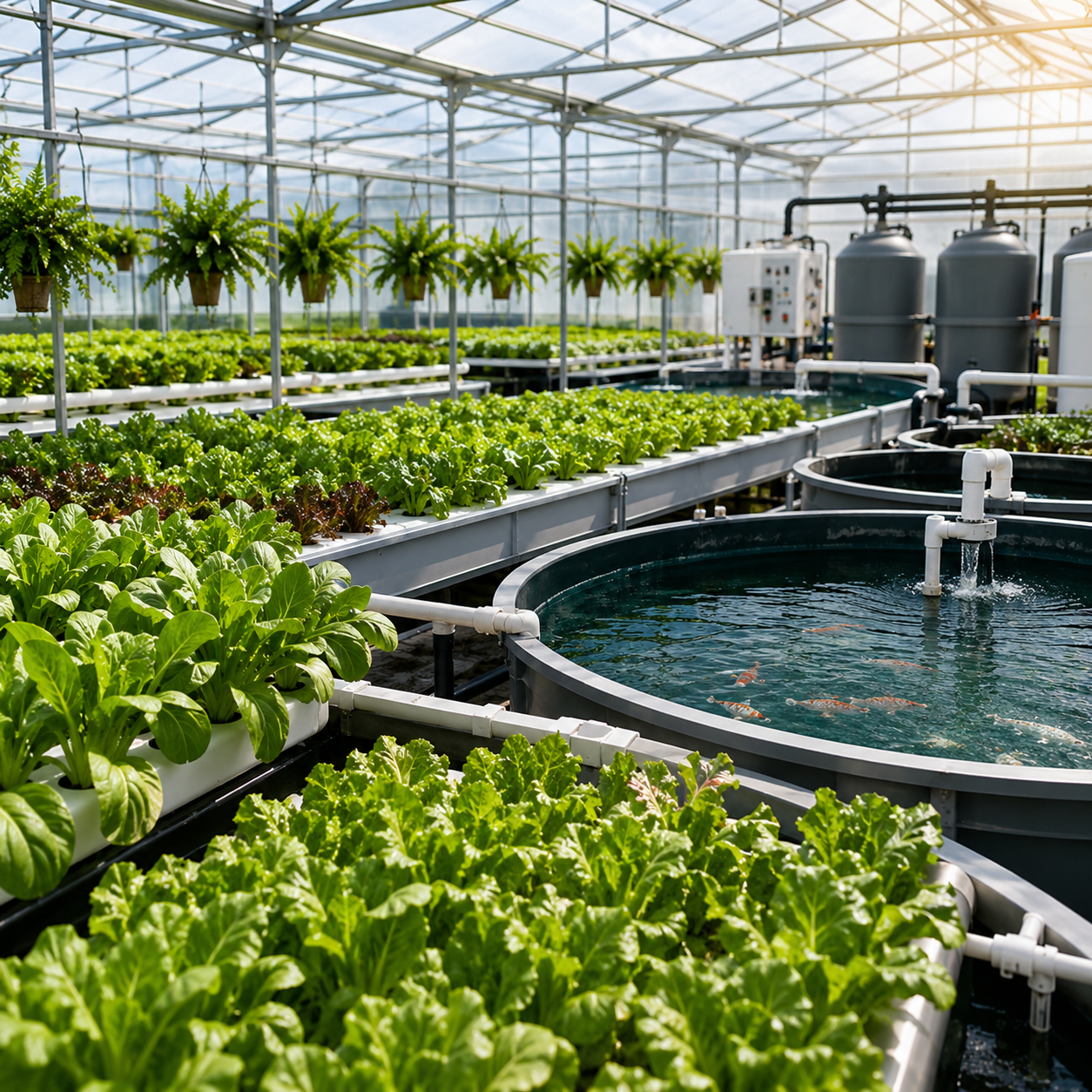
What Is Aquaponics and How Does It Work?
Learn how fish, plants, water, filtration, and beneficial bacteria work together in a recirculating food-production ecosystem.
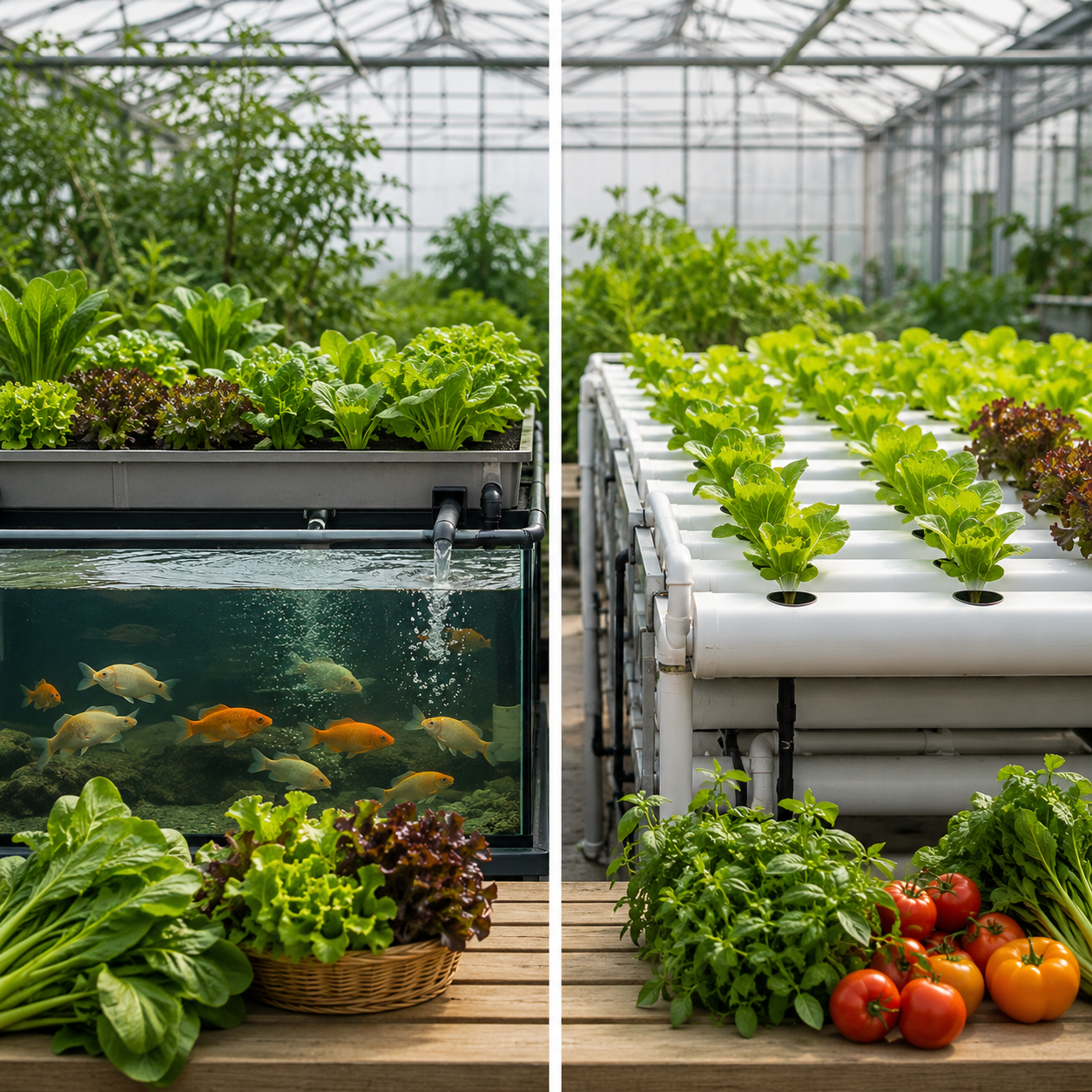
Aquaponics vs. Hydroponics: What's the Difference?
Compare the two growing methods and understand which model may be better suited to different goals and applications.
Why Aquaponics Uses Less Water Than Traditional Farming
Explore how water recirculation can reduce water consumption while supporting dependable crop production.