What Is Aquaponics and How Does It Work?
An accessible introduction to how aquaponics combines aquaculture and hydroponics into a single recirculating food system — fish, bacteria, plants, and water working as one.
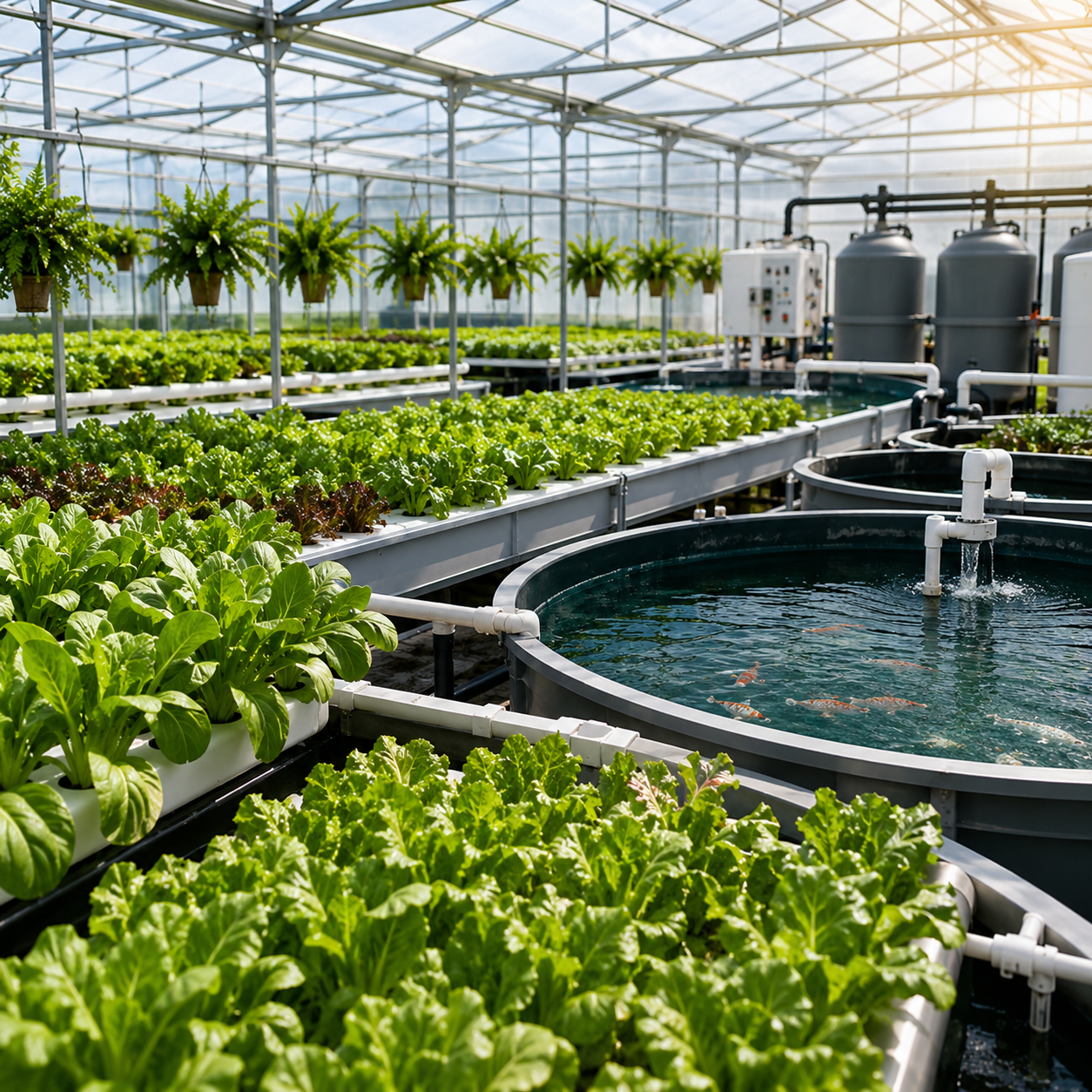
Aquaponics is a food-production method that combines aquaculture, the raising of fish or other aquatic species, with hydroponics, the cultivation of plants without soil. Instead of treating fish production and plant production as separate activities, aquaponics connects them through a carefully managed water cycle. Fish provide nutrients, beneficial bacteria transform those nutrients into plant-available forms, and plants help clean the water before it returns to the fish.
The basic idea behind aquaponics
In a conventional fish tank, waste accumulates and the water must be filtered or replaced. In a conventional hydroponic system, growers add manufactured nutrient solutions to feed plants. Aquaponics brings the two systems together. Water from the fish area carries dissolved nutrients toward the plant-growing area. The plants absorb much of what they need, and the water is then recirculated back to the fish. The goal is not a perfectly closed loop, because water is still lost through plant uptake, evaporation, cleaning, and harvest. However, it is a highly efficient loop when it is designed and managed correctly.
The five working parts of an aquaponics system
Most systems include five essential functions: fish culture, solids removal, biological filtration, plant production, and water circulation. The fish tanks provide the aquatic environment. Mechanical filters capture uneaten feed and larger waste particles. Biofilters provide surface area for beneficial bacteria. Grow beds, rafts, towers, or channels support the crops. Pumps, aeration equipment, plumbing, and controls keep water and oxygen moving through the system. Larger commercial systems may also include temperature control, backup power, monitoring sensors, packing areas, cold storage, and food-safety infrastructure.
Why beneficial bacteria matter
Fish release ammonia through their gills and waste. In excessive concentrations, ammonia is harmful to fish. Naturally occurring nitrifying bacteria help protect the system by converting ammonia first into nitrite and then into nitrate. Nitrate is generally less toxic to fish at normal aquaponics concentrations and is a major source of nitrogen for plant growth. This biological process is called nitrification. A new system must be cycled so that these bacterial communities can establish before the system is heavily stocked or harvested at commercial scale.
How plants receive nutrition
Plant roots absorb nitrate and other dissolved minerals from the circulating water. Leafy greens and many culinary herbs often perform well because their nutrient needs can align with the nutrient profile produced by fish and feed. Fruiting crops can also be grown, but they may require greater nutrient availability, stronger lighting, more space, pollination support, and careful mineral supplementation. Aquaponics operators commonly monitor iron, calcium, potassium, pH, alkalinity, and other factors to keep both fish and plants healthy.
The role of water quality
Aquaponics is a living ecosystem, so water quality connects every part of the operation. Operators monitor temperature, dissolved oxygen, pH, ammonia, nitrite, nitrate, alkalinity, and water clarity. The correct range depends on the fish species, crops, system design, and stage of production. Changes should be made carefully. A sudden adjustment that helps plants could stress fish or disrupt the bacterial community. Successful operation depends on balance rather than optimizing one part of the system in isolation.
What can be grown
Common aquaponics crops include lettuce, basil, mint, cilantro, kale, Swiss chard, arugula, and other leafy greens. With appropriate system design and management, growers may also produce tomatoes, peppers, cucumbers, strawberries, squash, and specialty crops. Tilapia is widely used because it is hardy and grows well in warm water, although regulations, climate, market demand, and system temperature should guide species selection.
What aquaponics does not eliminate
Aquaponics reduces dependence on soil and can greatly improve water efficiency, but it does not eliminate the need for skilled management. Fish must be fed correctly. Pumps and aeration must operate continuously. Filters must be cleaned. Crops must be seeded, transplanted, inspected, harvested, and sold. Pests, diseases, equipment failures, weather events, and market changes still require planning. Aquaponics is best understood as a disciplined production system, not an automatic garden.
Why communities and businesses are interested
Aquaponics can place food production closer to the people who buy and consume it. A well-run greenhouse can support year-round or extended-season production, local employment, operator training, farm tours, restaurant relationships, and direct sales. Commercial viability depends on scale, crop selection, pricing, labor, energy, production consistency, and access to dependable buyers. When those elements are planned together, aquaponics can become more than a growing method; it can become local food infrastructure.
Conclusion
Aquaponics works by coordinating fish, bacteria, plants, water, filtration, and daily operations as one connected ecosystem. Its strength comes from circulation and balance. The fish support plant nutrition, the bacteria make nutrients usable, the plants help clean the water, and trained operators keep the cycle stable. For individuals, schools, communities, and businesses seeking a resource-efficient way to produce fresh food, aquaponics offers a practical model with significant educational, environmental, and commercial potential.
Call to Action
Explore Aquaponics Lifestyle systems, training, and partnership opportunities to learn how a professionally designed aquaponics operation can be planned for your goals.
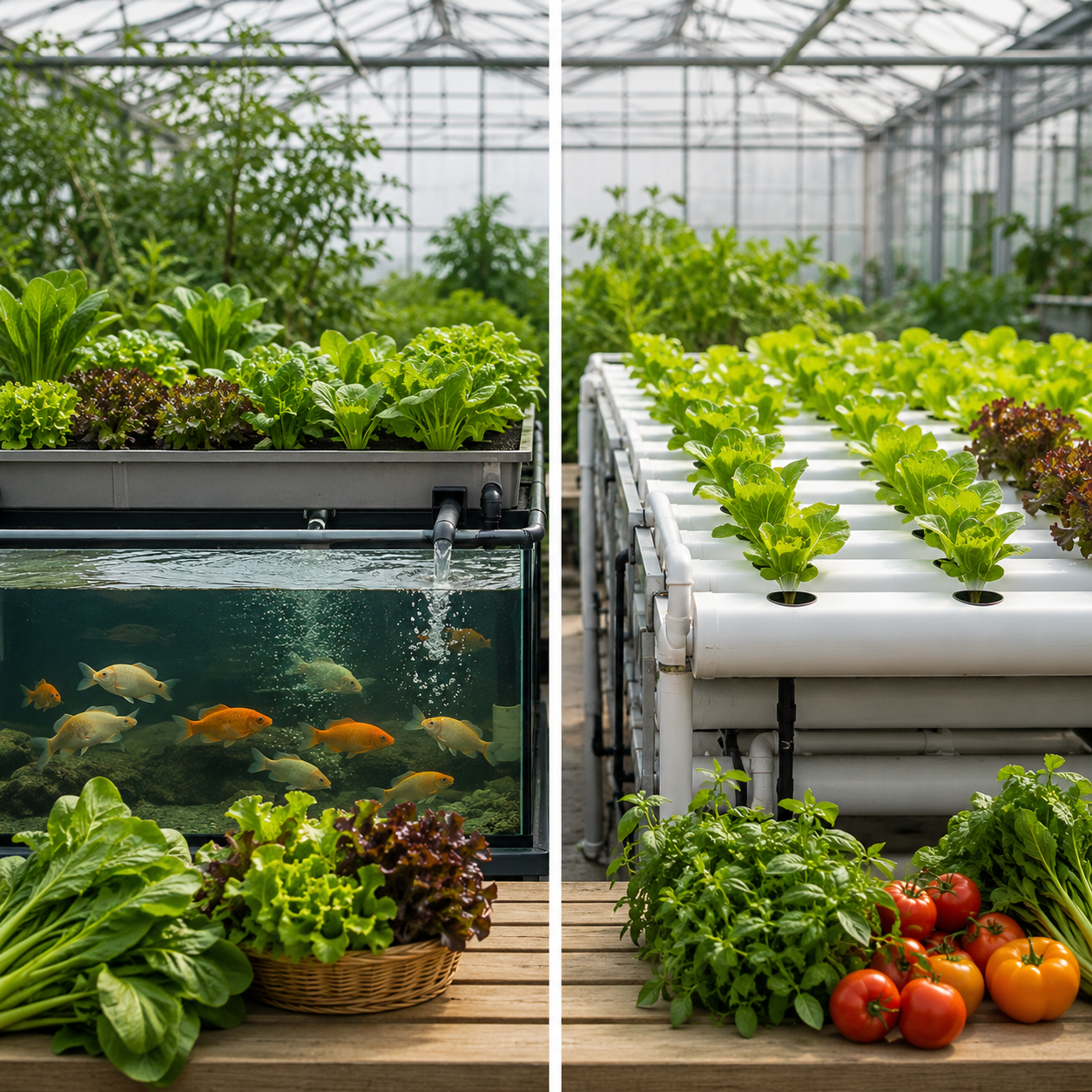
Aquaponics vs. Hydroponics: What's the Difference?
Compare the two growing methods and understand which model may be better suited to different goals and applications.
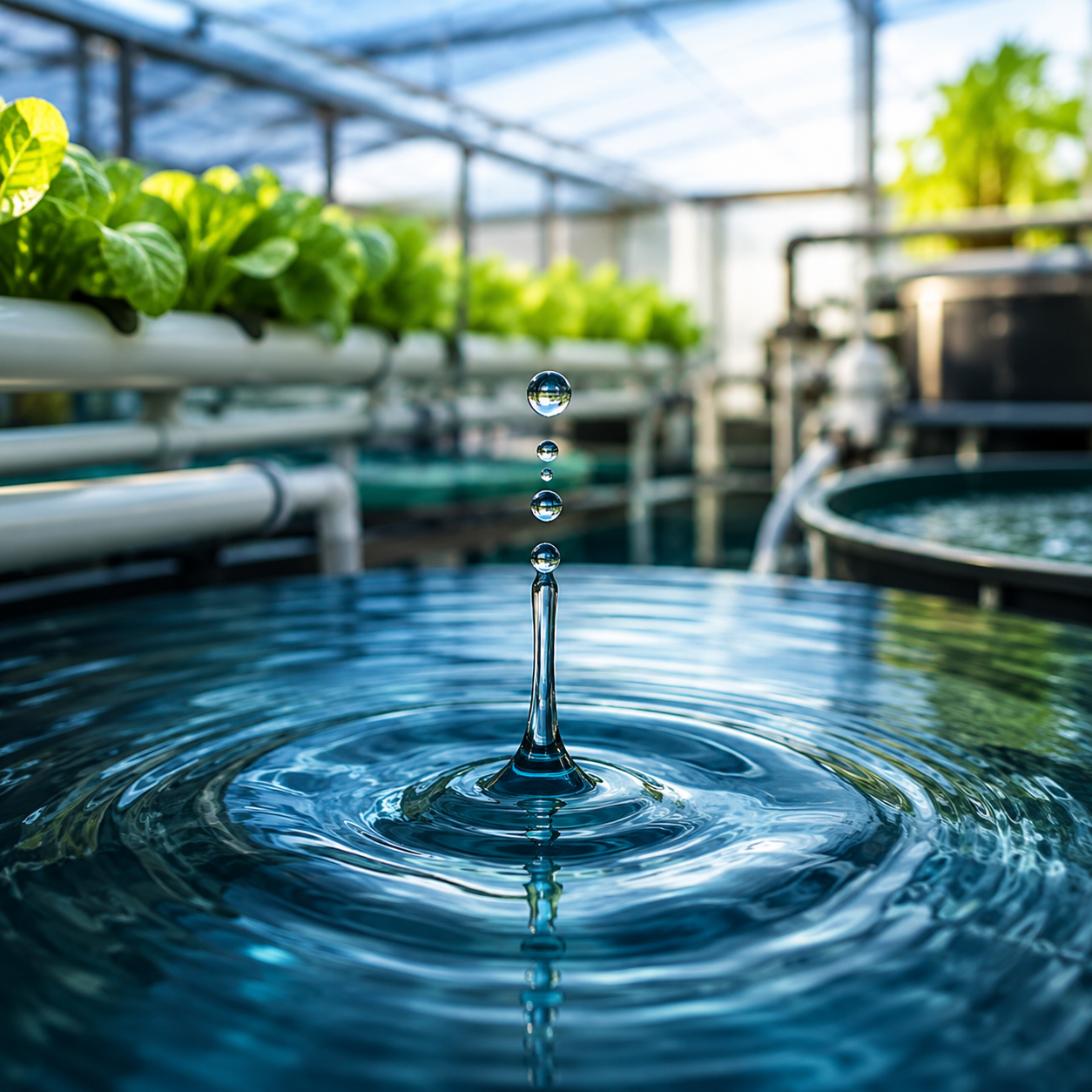
Why Aquaponics Uses Less Water Than Traditional Farming
Explore how water recirculation can reduce water consumption while supporting dependable crop production.

Can Aquaponics Be Profitable?
Explore potential revenue streams, major cost factors, operating requirements, and the planning needed to build a sustainable aquaponics business.