Aquaponics vs. Hydroponics: What's the Difference?
A side-by-side look at the two soilless growing methods — from nutrient sources and startup processes to economics, crop flexibility, and which model fits which operator.
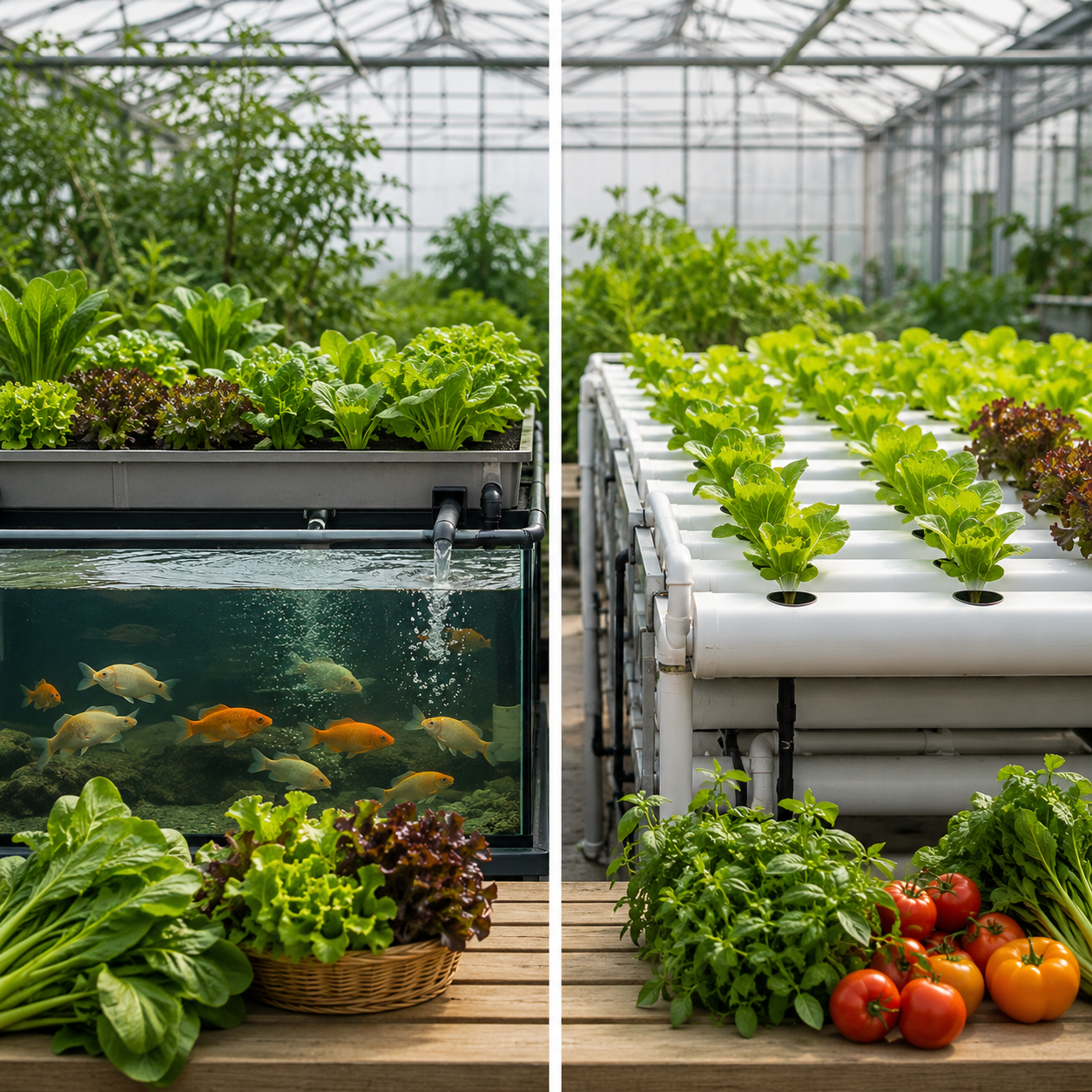
Aquaponics and hydroponics both grow plants without traditional soil, but the systems are powered in different ways. Hydroponics feeds plants with a formulated nutrient solution. Aquaponics uses nutrients generated within a living fish-and-bacteria ecosystem. Both can support efficient greenhouse production, yet they differ in complexity, startup process, operating priorities, and business model.
How hydroponics works
In hydroponics, plants receive water containing carefully measured mineral nutrients. Growers can adjust the formula for specific crops and growth stages. Systems may use nutrient film technique channels, deep-water culture, drip irrigation, Dutch buckets, vertical towers, or other configurations. Because the nutrient source is directly controlled, hydroponic growers can respond quickly when plants show a deficiency or when production targets change.
How aquaponics works
Aquaponics combines fish production with hydroponic-style plant production. Fish feed enters the system, fish convert part of that feed into growth and waste, and beneficial bacteria convert dissolved waste into nutrients that plants can use. Solids are filtered or mineralized, and the water returns to the fish. The system therefore manages two production groups at once: aquatic animals and crops.
The biggest difference: the nutrient source
The central distinction is where plant nutrition comes from. Hydroponics relies mainly on purchased mineral salts blended into water. Aquaponics relies mainly on fish feed and biological processing. Aquaponics may still require mineral supplementation, especially iron, calcium, or potassium, but additions must be compatible with fish and bacteria. Hydroponic growers have more freedom to create crop-specific nutrient formulas because there are no fish in the loop.
Startup and system cycling
A hydroponic system can usually begin crop production once the equipment, water, and nutrient solution are ready. Aquaponics requires biological cycling so nitrifying bacteria can establish. Stocking too many fish too early can create dangerous ammonia or nitrite levels. Aquaponics therefore rewards a phased startup plan, conservative stocking, frequent testing, and disciplined recordkeeping.
Daily management
Hydroponics focuses strongly on nutrient concentration, pH, water temperature, irrigation timing, root health, pests, and crop performance. Aquaponics must manage those plant concerns while also monitoring fish appetite, behavior, oxygen, biomass, feed rates, solids, ammonia, nitrite, biofilter performance, and animal welfare. This makes aquaponics more biologically complex, but it also creates more educational value and potential revenue streams.
Water use and discharge
Both methods can use substantially less water than many field-growing practices because water is captured and reused. Aquaponics often operates with relatively low routine discharge because nutrients are continuously recycled between fish and plants. Hydroponic systems may periodically replace or discharge nutrient solution depending on design and management. Actual water performance depends on climate, leaks, cleaning, crop transpiration, system type, and operating discipline.
Crop flexibility
Hydroponics can be highly flexible because growers can tailor nutrient formulas to lettuce, herbs, tomatoes, cucumbers, peppers, strawberries, or other crops. Aquaponics is especially well suited to leafy greens and herbs, while fruiting crops may need a mature system, higher nutrient availability, and supplementation. Crop choice in either system should be driven by buyer demand, price, harvest schedule, labor, and facility conditions rather than novelty alone.
Economics and revenue
Hydroponic businesses usually earn revenue from crops. Aquaponics businesses may earn from produce, fish, tours, training, system sales, consulting, food-service partnerships. Multiple revenue streams can improve resilience, but they also add operational requirements. Fish processing, food safety, licensing, and market development must be addressed separately from plant production.
Which model is better?
Neither method is universally better. Hydroponics may be the stronger choice when the priority is precise crop nutrition, rapid standardization, and a plant-only operation. Aquaponics may be more attractive when the goals include fish production, water recirculation, education, community engagement, diversified revenue, and a visible ecological story. The right choice depends on the operator's skills, capital, market, facility, climate, and tolerance for complexity.
Conclusion
Aquaponics and hydroponics share many technologies, but they represent different operating philosophies. Hydroponics is a controlled plant-nutrition system. Aquaponics is a managed ecosystem connecting fish, bacteria, and plants. A successful project begins by defining the desired products, customers, production scale, staffing, and financial goals before selecting the growing method.
Call to Action
Speak with Aquaponics Lifestyle about system planning, operator training, and commercial models designed around your market and production goals.
What Is Aquaponics and How Does It Work?
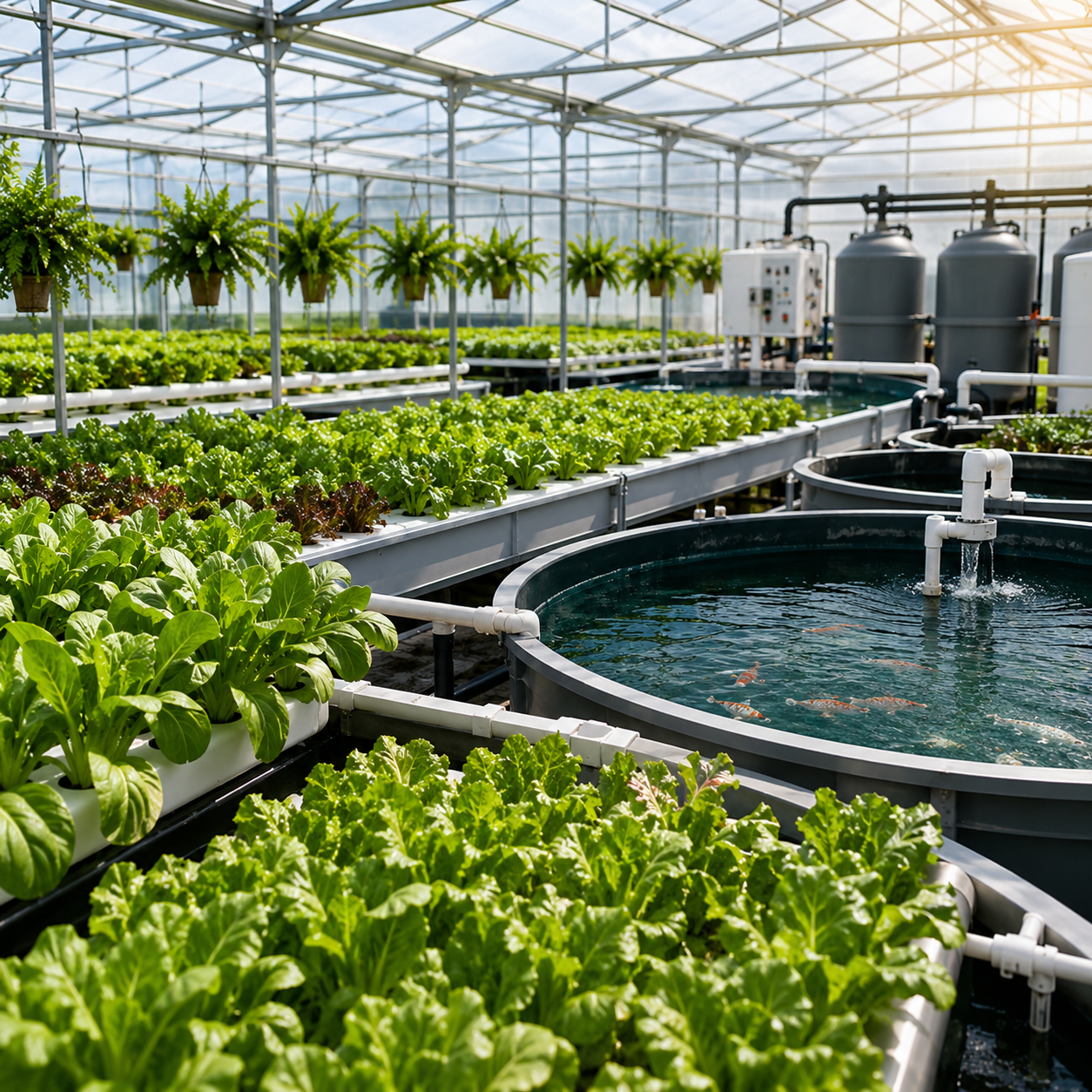
Learn how fish, plants, water, filtration, and beneficial bacteria work together in a recirculating food-production ecosystem.
Why Aquaponics Uses Less Water Than Traditional Farming
Explore how water recirculation can reduce water consumption while supporting dependable crop production.

Can Aquaponics Be Profitable?
Explore potential revenue streams, major cost factors, operating requirements, and the planning needed to build a sustainable aquaponics business.