
Can Aquaponics Be Profitable?
A frank look at what it actually takes to turn an aquaponics operation into a profitable business — markets first, then production, plus the discipline that drives margin.

Aquaponics can be profitable, but profitability does not come from the growing technology alone. A successful business must connect dependable production with realistic pricing, disciplined operations, skilled labor, and customers who buy consistently. The system may produce beautiful greens and healthy fish, yet the business will struggle if harvest timing, sales, packaging, delivery, and costs are not managed as carefully as water quality.
Start with the market, not the greenhouse
The first question is not how much a system can grow. It is who will buy the products, in what form, at what price, how often, and under what quality requirements. Restaurants may value freshness, specialty herbs, traceability, and consistent weekly delivery. Farmers-market customers may value local storytelling and direct relationships. Grocers may require volume, packaging, insurance, certifications, barcodes, and dependable specifications. Production planning should follow verified customer demand.
Core revenue streams
The most direct revenue streams are produce and fish sales. Commercial operators may also develop tours, workshops, operator training, system sales, installation support, consulting, maintenance plans, educational programs, branded products, farm-to-table events, or food-service concepts. Diversification can strengthen the business, but every new stream requires capacity, marketing, staffing, and compliance. It is better to operate a few revenue channels well than to launch too many at once.
The cost categories that matter
Major expenses commonly include the aquaponics system, greenhouse, site preparation, utilities, pumps, aeration, filtration, controls, backup power, fish feed, seed, growing media, packaging, labor, insurance, maintenance, delivery, cold storage, and marketing. Energy can be significant where heating, cooling, lighting, or high pumping loads are required. Labor is often underestimated because the system needs daily observation, crop work, cleaning, harvesting, packing, sales, and recordkeeping.
Yield is not the same as sales
A production forecast may show how many heads of lettuce or pounds of herbs can be harvested, but revenue occurs only when products are sold at the expected price. Losses can result from poor germination, fish mortality, nutrient imbalance, heat stress, equipment failure, inconsistent sizing, missed delivery windows, or unsold inventory. Financial models should include realistic survival rates, crop losses, ramp-up time, seasonality, and discounted or donated product.
Pricing and product mix
High-volume commodity crops can be difficult for a small operation to sell profitably against large established suppliers. Many local aquaponics businesses improve margins by focusing on premium quality, living lettuce, specialty herbs, chef-selected varieties, direct subscriptions, or products with strong local value. The right mix depends on the regional market. A crop with a high retail price is not automatically profitable if it grows slowly, requires heavy labor, or has weak demand.
Operational discipline drives margin
Small improvements in consistency can have a large financial impact. Standard operating procedures for feeding, water testing, seeding, transplanting, cleaning, harvest, packing, and delivery reduce errors. Production records reveal which crops, channels, and seasons perform best. Preventive maintenance lowers the risk of catastrophic losses. Inventory controls prevent shortages and overbuying. Profitability is usually created through hundreds of disciplined operating decisions rather than one breakthrough.
Scale and staffing
A backyard system and a commercial system have very different economics. Commercial scale can spread fixed costs across more production, but it also increases capital requirements, management demands, and market risk. Owners should identify which tasks require full-time staff, which can be scheduled part-time, and which should be handled by vendors. The business should not depend on unpaid founder labor forever; a credible model must eventually include the true cost of management and operations.
Cash flow and the startup period
Aquaponics businesses need time to install equipment, cycle the system, grow fish, establish crops, secure customers, and improve production. Cash may leave the business months before full revenue begins. A startup budget should include working capital, contingency funds, replacement equipment, initial inventory, insurance, permitting, and marketing. Underfunding can force the operator to cut maintenance or sell before the system is stable.
How to test viability before investing heavily
A feasibility process should include customer interviews, letters of interest, competitor pricing, crop trials, utility estimates, site analysis, vendor quotes, labor planning, and a conservative financial model. Pilot production or a phased launch can validate assumptions. Investors and lenders will want to see not only projected revenue but also evidence that the team understands operating risks and has a plan to control them.
Conclusion
Aquaponics can become a sustainable and profitable enterprise when production, markets, operations, and capital are designed together. The strongest businesses sell more than a technology story. They deliver reliable products, measurable quality, responsive customer service, and disciplined management. Profitability is possible, but it must be planned, tested, documented, and earned.
Call to Action
Aquaponics Lifestyle develops business-focused systems, training, and operating frameworks for entrepreneurs, partners, and communities preparing to enter commercial aquaponics.
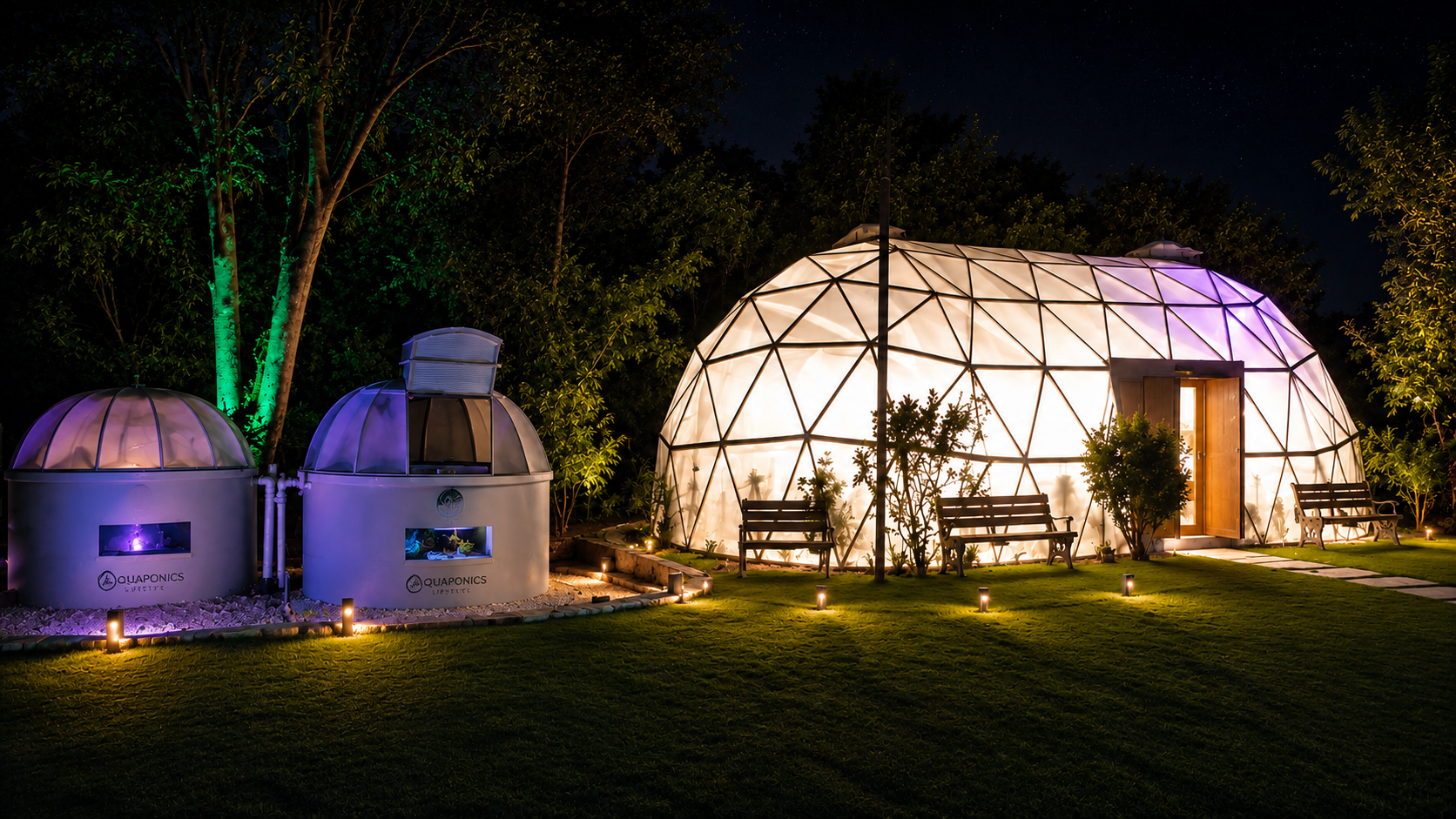
How Much Does a Commercial Aquaponics System Cost?
Review the major cost categories that may affect the total investment, including system scale, greenhouse design, site preparation, utilities, installation, training, and monitoring.
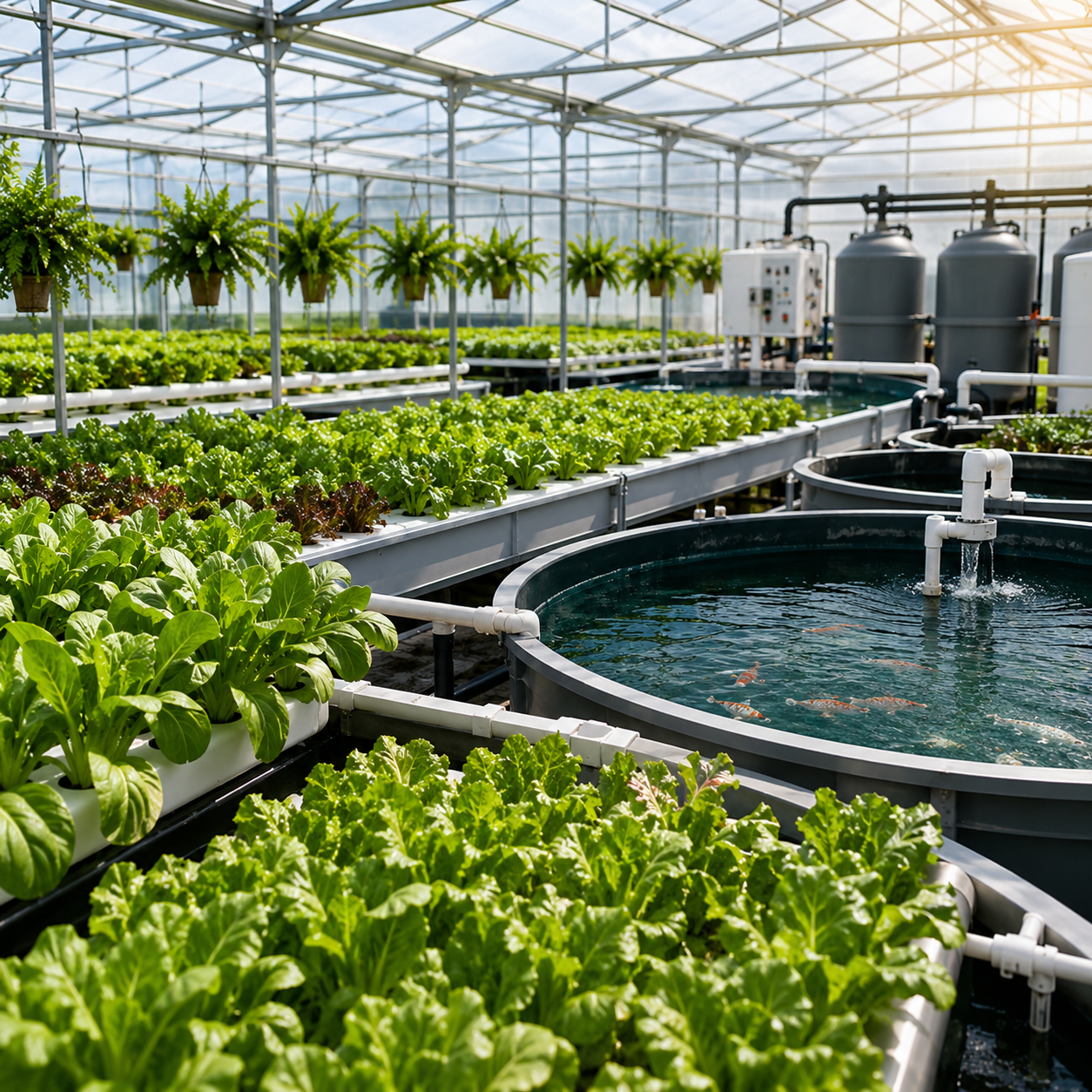
What Is Aquaponics and How Does It Work?
Learn how fish, plants, water, filtration, and beneficial bacteria work together in a recirculating food-production ecosystem.
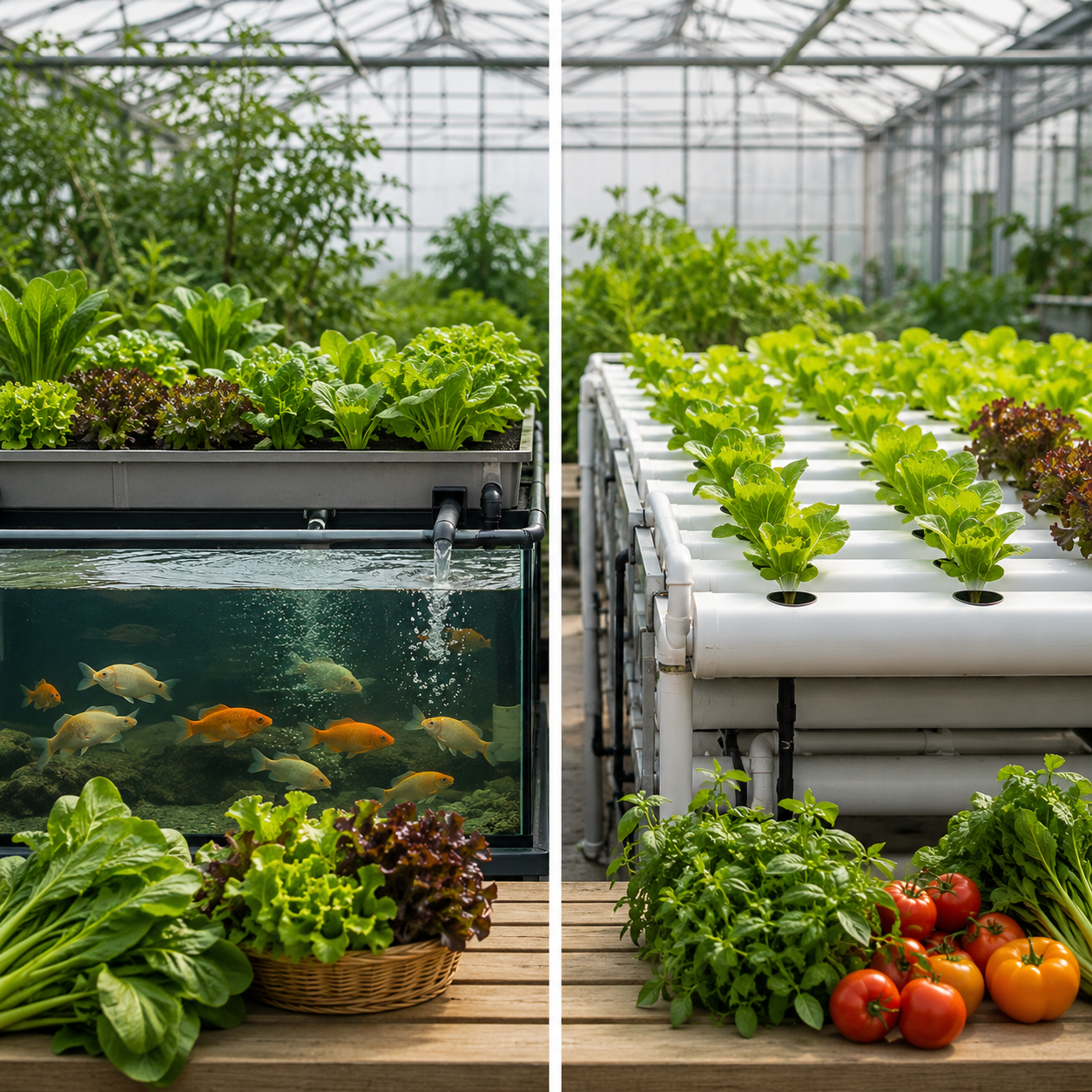
Aquaponics vs. Hydroponics: What's the Difference?
Compare the two growing methods and understand which model may be better suited to different goals and applications.