How Much Does a Commercial Aquaponics System Cost?
What actually goes into a commercial aquaponics budget — equipment, greenhouse, site work, controls, nursery, training, working capital, and contingency.
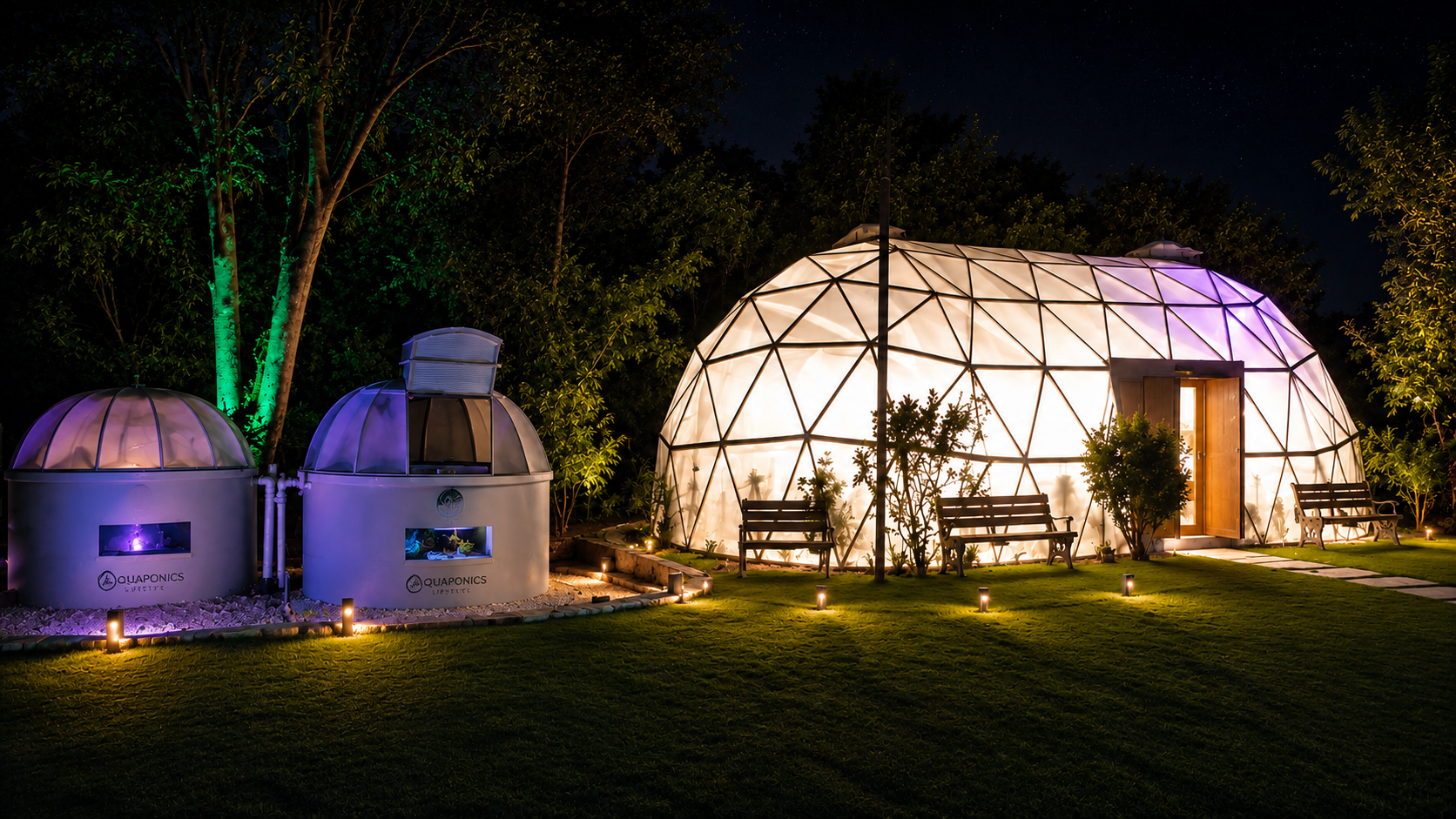
There is no single price for a commercial aquaponics system. Cost depends on production capacity, climate, greenhouse type, site conditions, automation, energy strategy, fish and crop choices, food-safety requirements, and how much work is included in the vendor's scope. A realistic budget must cover the complete operating facility, not only the tanks and grow beds.
Begin with the production objective
A project designed to supply a few restaurants is different from one designed for grocery distribution, education, research, or regional system sales. The budget should begin with annual production targets, product mix, harvest schedule, and buyer requirements. These decisions determine greenhouse area, fish biomass, filtration capacity, nursery space, packing equipment, staffing, and cold-chain needs.
Aquaponics equipment
The core equipment may include fish tanks, clarifiers or solids filters, biofilters, degassing, sump tanks, pumps, aeration, plumbing, valves, grow beds, rafts, channels, media beds, sensors, and control panels. Vendor quotes should explain what is included, what must be purchased locally, expected shipping costs, installation responsibility, warranties, spare parts, and technical support. A lower equipment price can become expensive if critical components are excluded.
Greenhouse and environmental control
The greenhouse is often one of the largest project costs. Price varies by size, wind and snow rating, glazing, foundation, shade, ventilation, insect screening, heating, cooling, lighting, and automation. A warm-climate site may still require substantial summer cooling, while a cold-climate site may require heating and insulation. Environmental loads should be calculated for the actual location rather than assumed from a generic greenhouse package.
Site preparation and utilities
Commercial sites may require grading, drainage, foundations, roads, fencing, water service, electrical upgrades, septic or sewer connections, internet, security, and stormwater management. Soil conditions and flood risk can change the budget significantly. The operator should also confirm zoning, building permits, electrical permits, water rights, livestock or aquaculture rules, food-handling requirements, and accessibility standards.
Monitoring, controls, and backup systems
Sensors and automation can track temperature, dissolved oxygen, pH, water level, flow, greenhouse climate, pumps, and alarms. These tools do not replace trained staff, but they can improve response time and documentation. Backup power, redundant aeration, spare pumps, oxygen supplies, and emergency procedures are essential because fish and bacteria depend on continuous circulation and oxygen. Resilience equipment should be included from the beginning, not treated as an optional upgrade.
Nursery, harvest, and packing infrastructure
A commercial facility needs more than production beds. Seed storage, germination racks, nursery areas, wash stations, food-safe tables, scales, packaging tools, label printers, handwashing, sanitation supplies, and cold storage may be required. Buyers may expect specific package sizes, lot codes, traceability, and refrigerated delivery. The cost of turning a harvested crop into a sellable product is part of the system budget.
Fish, seed, feed, and operating inventory
Startup inventory includes fingerlings, feed, seed, propagation materials, net pots, rafts, test kits, calibration solutions, minerals, cleaning products, personal protective equipment, packaging, and spare parts. Fish may take months to reach harvest size, creating a longer cash cycle than many leafy greens. The startup plan should map when each input is purchased and when the related product can generate revenue.
Training and installation support
Commercial aquaponics is not plug-and-play. Training should cover system startup, cycling, fish care, feeding, water chemistry, plant production, sanitation, troubleshooting, recordkeeping, harvest, food safety, and emergency response. Installation supervision and commissioning can reduce costly mistakes. Buyers should clarify whether training is remote, on-site, limited to equipment, or comprehensive enough to support daily operations.
Working capital and contingency
Many budgets stop at construction, but the business must pay expenses while production ramps up. Working capital may cover labor, utilities, insurance, marketing, delivery, rent, feed, seed, and repairs before stable revenue is achieved. A contingency reserve is also important because site work, freight, permitting, and equipment changes frequently create unexpected expenses.
How to compare proposals
Compare vendors using a complete scope matrix. Review production assumptions, component specifications, installation, shipping, training, warranties, energy requirements, replacement parts, monitoring, and support. Ask for references and operating examples. The best proposal is not necessarily the cheapest; it is the one that most clearly connects cost, capacity, reliability, and long-term support.
Conclusion
The cost of commercial aquaponics is the cost of building a complete food-production business. Tanks and grow beds are only one layer. A responsible budget includes the greenhouse, site, utilities, controls, backup systems, nursery, packing, training, inventory, working capital, and contingency. Careful scoping at the beginning protects both the project and the investor.
Call to Action
Request a planning conversation with Aquaponics Lifestyle to define system scope, site requirements, training, and the full capital picture for your commercial project.

Can Aquaponics Be Profitable?
Explore potential revenue streams, major cost factors, operating requirements, and the planning needed to build a sustainable aquaponics business.
What Is Aquaponics and How Does It Work?
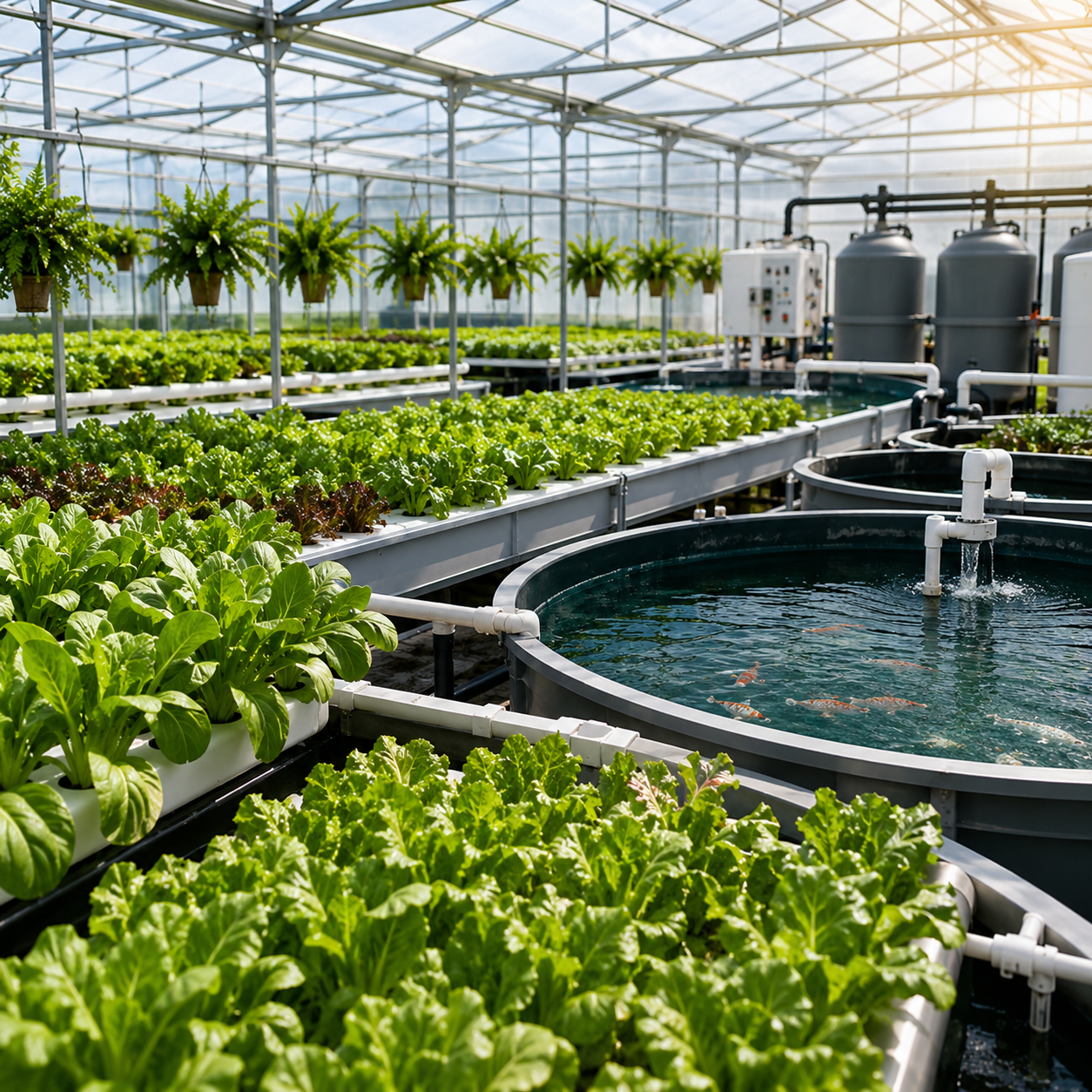
Learn how fish, plants, water, filtration, and beneficial bacteria work together in a recirculating food-production ecosystem.
Aquaponics vs. Hydroponics: What's the Difference?
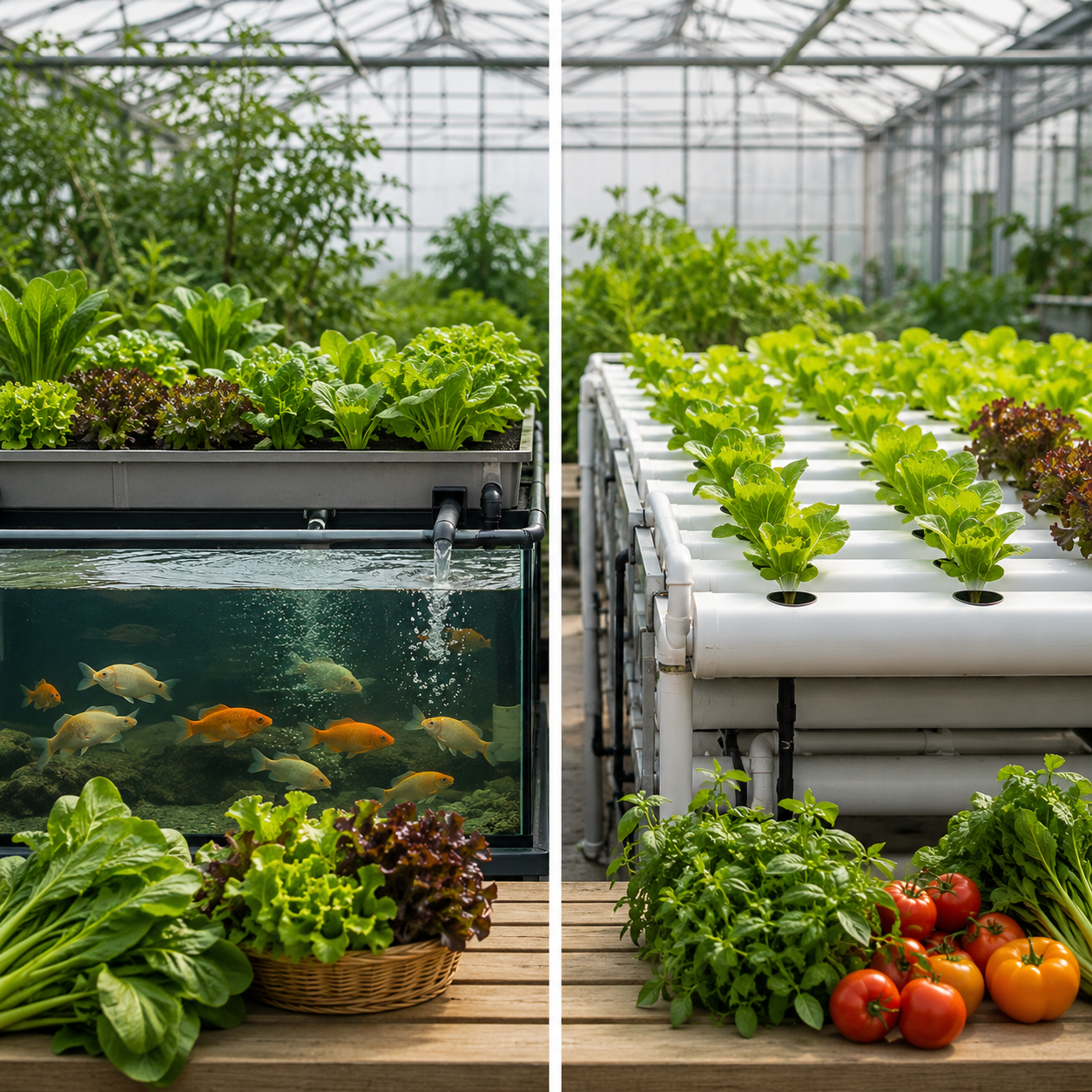
Compare the two growing methods and understand which model may be better suited to different goals and applications.