Why Local Restaurants Should Buy Aquaponic Produce
How chefs and restaurants benefit from working directly with a local aquaponic farm — freshness, traceability, specialty crops, and a real farm-to-table story.
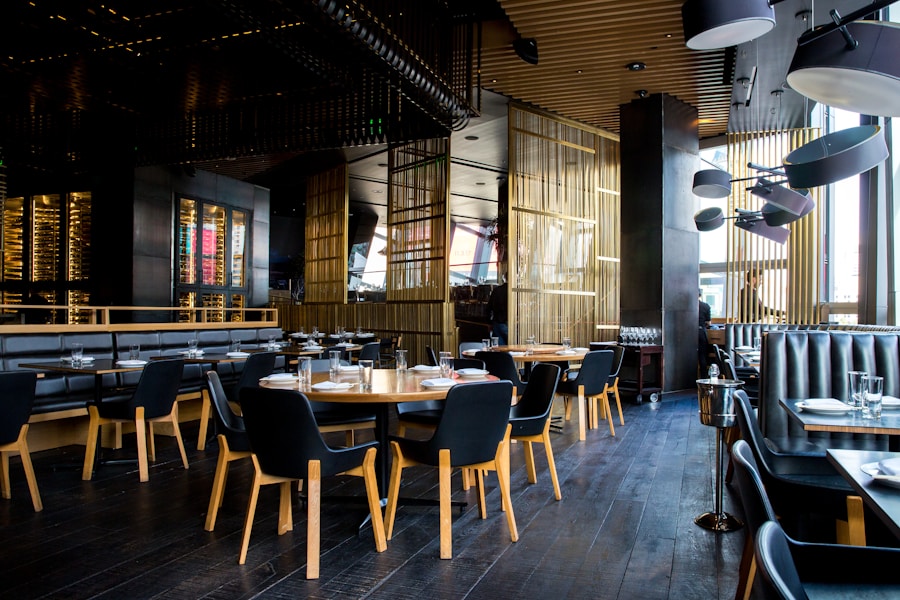
Restaurants compete through flavor, quality, consistency, experience, and trust. Local aquaponic farms can support those priorities by producing greens and herbs near the kitchens that use them. The value is not only that the produce is locally grown. The value comes from a direct relationship between grower and chef, a shorter path from harvest to plate, and the ability to plan crops around real menu needs.
Freshness that chefs can see
Produce begins losing quality after harvest. A nearby aquaponic greenhouse can harvest close to the delivery date, reducing time spent in long transportation and distribution channels. Fresher lettuce and herbs can offer stronger texture, aroma, appearance, and shelf performance. Actual quality still depends on harvesting, cooling, packaging, sanitation, and delivery discipline, so professional post-harvest handling is essential.
Direct communication
A local supplier can speak directly with the chef or purchasing team about variety, size, harvest timing, packaging, and expected volume. This communication helps prevent surprises. Chefs can provide feedback, and growers can adjust future plantings. The relationship becomes more collaborative than a simple transaction through a distant distributor.
Specialty crops and custom planning
Aquaponic farms may be able to grow specialty basil, living lettuce, mint, cilantro, arugula, edible flowers, or culturally specific herbs that are difficult to source consistently. A chef may request a particular leaf size or variety for a signature dish. Custom growing should be supported by a clear purchase commitment because the farm is dedicating space and production time to the restaurant's needs.
Traceability and transparency
Local aquaponic operations can provide clear information about where and how food is grown. Restaurants may visit the greenhouse, review food-safety practices, understand harvest procedures, and communicate the farm story to customers. Traceability should include lot identification, harvest dates, cleaning records, packaging information, and a recall process. Transparency is strongest when it is supported by documented systems.
A compelling farm-to-table story
Diners are increasingly interested in the origin of ingredients. A restaurant can feature a local aquaponic partner on menus, websites, social media, events, and server training. The story connects water efficiency, local production, fish-and-plant ecology, and community resilience. Marketing claims should remain accurate and avoid suggesting that aquaponics is automatically organic or chemical-free unless the farm can substantiate the specific claim.
Potential for dependable weekly supply
Protected greenhouse production can reduce exposure to some weather risks and support extended-season availability. However, no farm is immune to heat, power failures, pests, disease, or equipment problems. Restaurants should build realistic order schedules and communicate forecast changes early. Strong suppliers maintain backup plans, production buffers, and honest communication when availability changes.
Reduced handling and a shorter supply chain
Local delivery can reduce the number of transfers between harvest and kitchen. Fewer transfers may lower physical damage and improve visibility into handling. The farm still needs food-safe containers, clean vehicles, temperature control where appropriate, and consistent delivery windows. Local does not replace professional logistics; it makes professional logistics easier to coordinate.
Supporting the local economy
Purchasing locally can keep more food spending within the region and support farm jobs, technical training, delivery work, and small-business development. Restaurants can become anchor customers that help an emerging farm reach stable production. In return, the farm should treat the restaurant's menu and reputation as a serious responsibility.
How restaurants should evaluate a supplier
Chefs and buyers should ask about production capacity, seasonal availability, food-safety procedures, insurance, packaging, delivery, pricing, substitutions, and communication. Start with a trial order. Evaluate flavor, shelf life, consistency, invoicing, and service. A successful partnership should work operationally for both businesses, not only look good in marketing.
Building a long-term partnership
The strongest farm-restaurant relationships use forecasts, standing orders, crop-planning meetings, and regular feedback. Restaurants can share menu calendars, while farms can share planting schedules and expected harvest windows. Special events, tours, chef demonstrations, and co-branded storytelling can deepen the relationship and introduce customers to the people behind the food.
Conclusion
Local aquaponic produce can help restaurants deliver freshness, distinctive ingredients, traceability, and a meaningful local story. The greatest value comes when the farm operates professionally and the restaurant commits to clear communication and consistent purchasing. Together, growers and chefs can create a supply relationship that benefits the plate, the customer, and the regional food economy.
Call to Action
Restaurants and hospitality partners can connect with Aquaponics Lifestyle to discuss crop needs, recurring orders, tours, and future farm-to-table collaborations.
How Aquaponics Supports Local Food Security
Understand how decentralized food-production systems can strengthen local access, education, skills, and community resilience.
What Is Aquaponics and How Does It Work?
Learn how fish, plants, water, filtration, and beneficial bacteria work together in a recirculating food-production ecosystem.
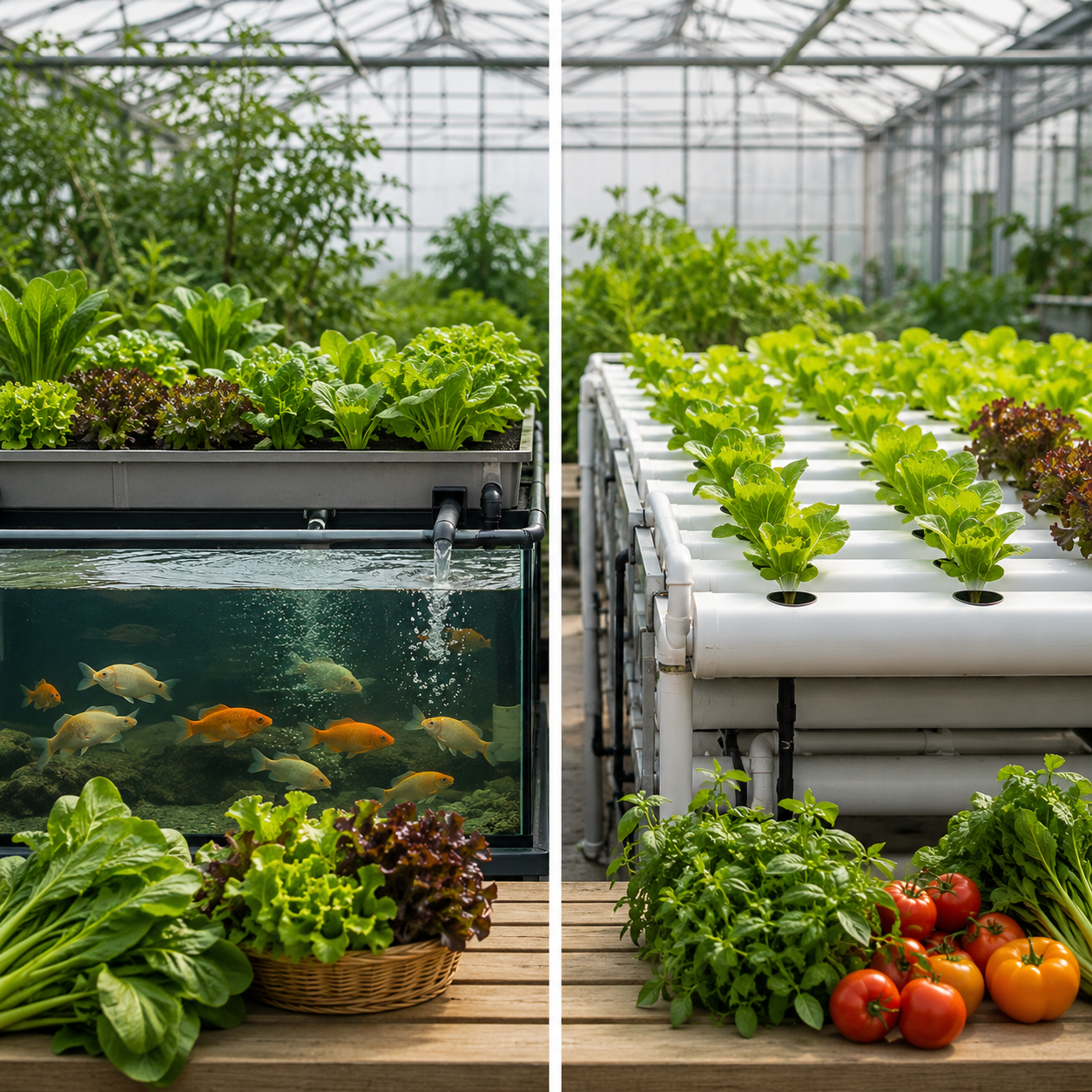
Aquaponics vs. Hydroponics: What's the Difference?
Compare the two growing methods and understand which model may be better suited to different goals and applications.