How Aquaponics Training Helps Operators Succeed
How structured training, SOPs, recordkeeping, troubleshooting drills, and hands-on practice turn an aquaponics facility into a dependable production business.
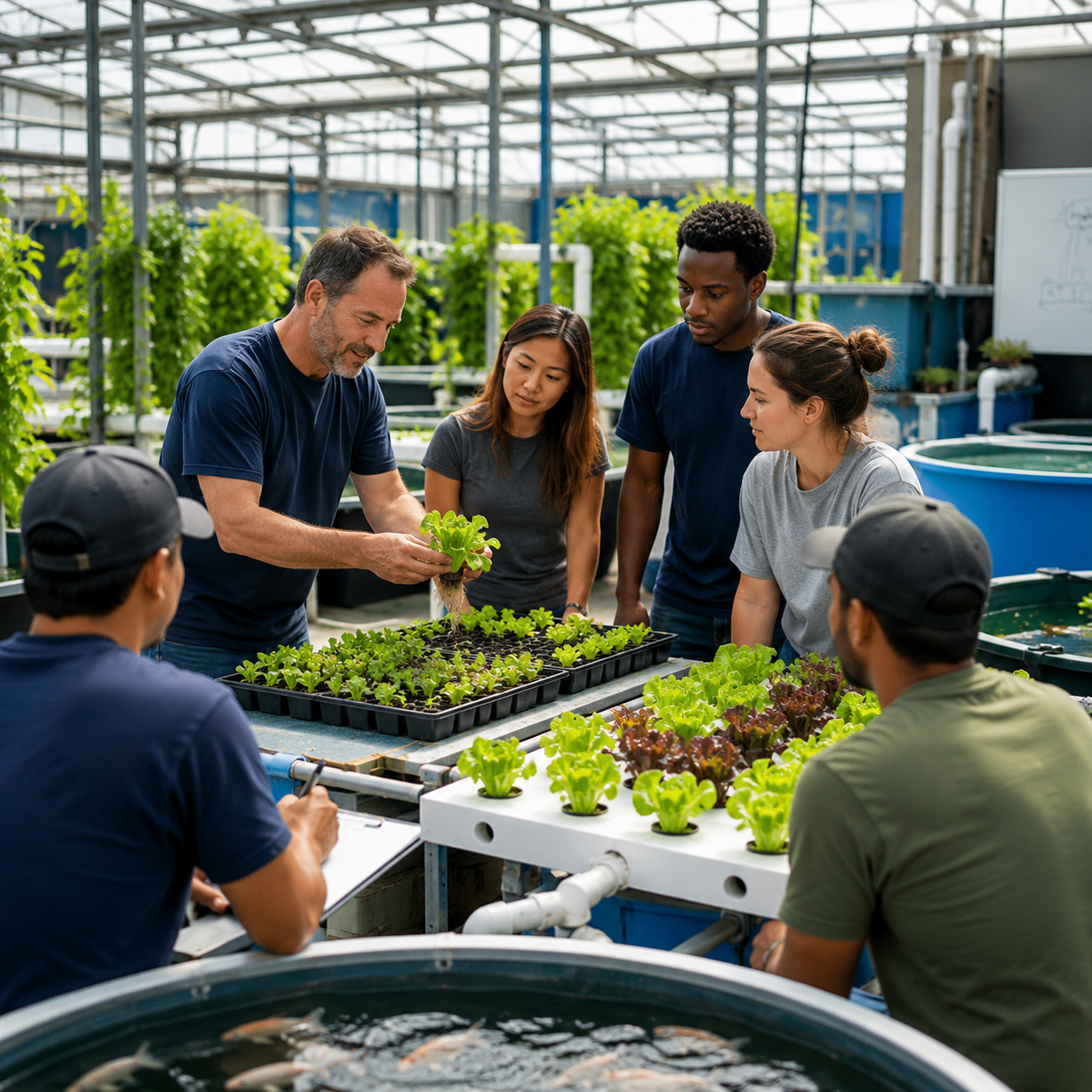
Aquaponics systems depend on people. Pumps, sensors, filters, and automation can support the operation, but trained operators must recognize fish behavior, interpret water tests, maintain equipment, manage crops, respond to alarms, and document what happened. Strong training turns a collection of components into a dependable production system.
Understanding the complete ecosystem
New operators often focus on one visible area, such as the fish tanks or plants. Training teaches them to see the connections. A change in feed can affect ammonia, oxygen, solids, bacteria, and plant nutrition. A clogged filter can reduce flow and create risk throughout the system. Understanding these relationships helps operators solve root causes instead of treating isolated symptoms.
Safe startup and cycling
The startup period is one of the most sensitive phases. Operators must establish beneficial bacteria, test water frequently, introduce fish carefully, and avoid overloading the biofilter. Training provides a phased startup process and clear decision points. Without this foundation, teams may respond to unstable readings with large, conflicting adjustments that make the system harder to control.
Standard operating procedures
SOPs define how important tasks should be performed. Common procedures cover daily inspection, feeding, water testing, filter cleaning, seeding, transplanting, pest checks, harvest, sanitation, mortality response, emergency aeration, and shutdown. SOPs improve consistency across employees and shifts. They also create a baseline for auditing and continuous improvement.
Logs and recordkeeping
Operators need simple forms that capture useful information without creating unnecessary paperwork. Daily logs may include water temperature, dissolved oxygen, pH, ammonia, nitrite, nitrate, feed, fish behavior, mortalities, pump status, greenhouse conditions, and corrective actions. Crop records track seeding dates, varieties, germination, transplanting, harvest weight, quality, and losses. Records turn experience into data that the business can use.
Troubleshooting skills
Training should teach a repeatable troubleshooting method: confirm the symptom, protect life-support functions, check recent changes, verify instruments, isolate possible causes, take a controlled action, and document the result. Operators should know how to respond to low oxygen, power loss, pump failure, abnormal fish behavior, high ammonia, clogged plumbing, root disease, heat stress, and sensor alarms. Drills improve performance under pressure.
Hands-on practice
Online lessons can explain principles, but hands-on practice builds confidence. Operators need to use test kits, calibrate meters, clean filters, inspect pumps, handle fish safely, transplant seedlings, harvest crops, sanitize equipment, and activate backup systems. Competency checklists allow instructors to confirm that each person can perform critical tasks before working independently.
Food safety and biosecurity
Commercial training should include personal hygiene, visitor control, clean tools, pest exclusion, chemical storage, harvest sanitation, traceability, and recall readiness. Fish and plant health also depend on biosecurity. Staff should understand how footwear, nets, water, plants, and equipment can move pathogens between areas.
Business and customer awareness
Operators influence the business even when they do not work in sales. Crop consistency, harvest timing, packaging quality, and communication affect customer trust. Training can explain production targets, buyer specifications, waste costs, inventory, and delivery schedules. When operators understand the commercial purpose behind the procedures, they make better decisions.
Ongoing development
Training is not a one-time orientation. Systems change as fish grow, seasons shift, crops rotate, equipment ages, and new staff join. Refresher lessons, weekly meetings, incident reviews, updated SOPs, and advanced certification help the team improve. Performance metrics can identify where additional coaching is needed.
Training for system buyers and partners
Organizations purchasing a turnkey system should evaluate the training package as carefully as the equipment. The program should include system theory, startup, operating routines, emergency response, documentation, crop planning, fish care, and access to technical support. Clear manuals and instructor-led practice reduce dependence on one individual and protect the investment.
Conclusion
Aquaponics training improves safety, consistency, confidence, and financial performance. It helps operators understand the ecosystem, follow proven procedures, respond to problems, protect food quality, and support customers. The most successful facilities build training into the operating model from the beginning and treat every incident as an opportunity to strengthen the system.
Call to Action
Explore Aquaponics Lifestyle online and on-site training designed for operators, partners, system buyers, and teams preparing to run commercial aquaponics facilities.
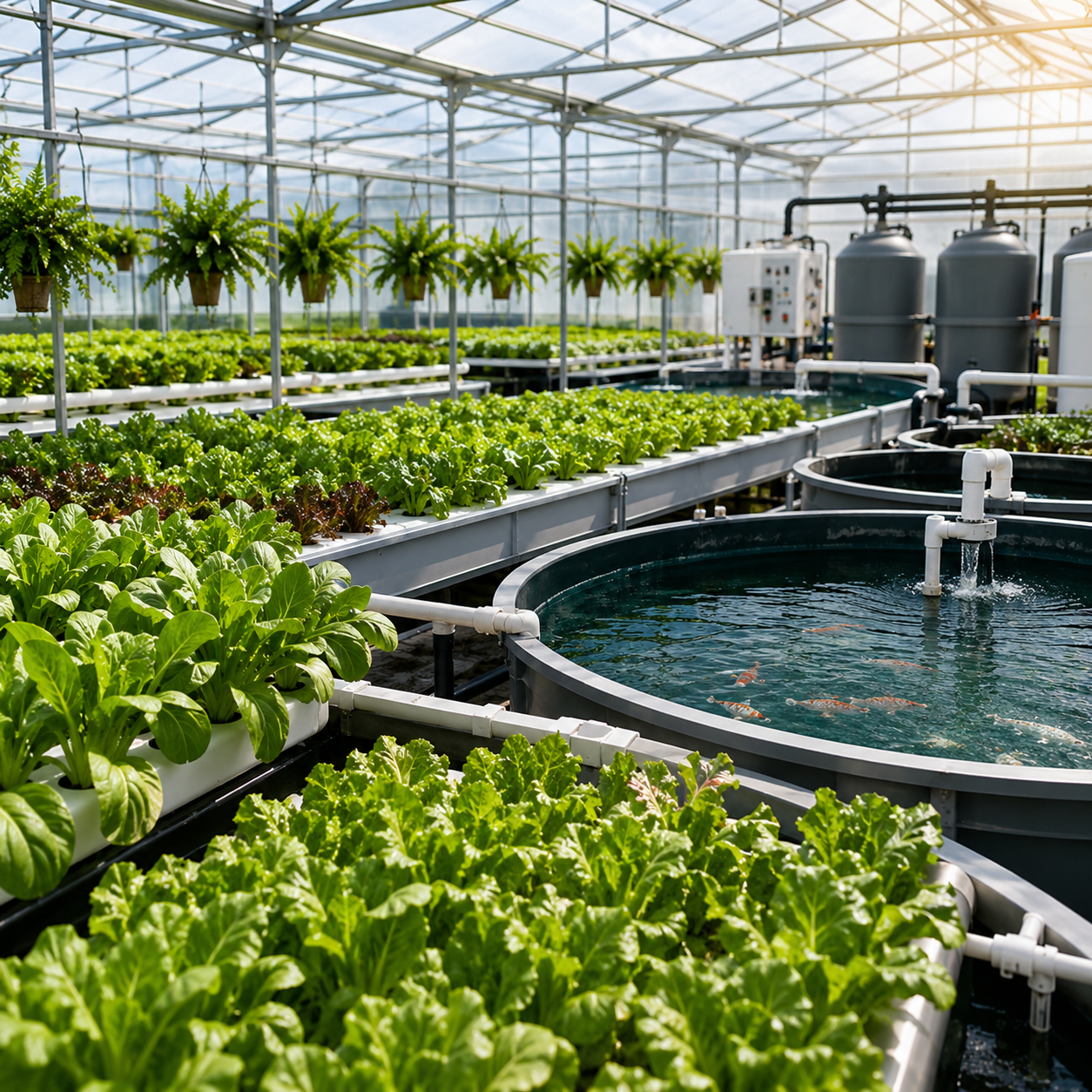
What Is Aquaponics and How Does It Work?
Learn how fish, plants, water, filtration, and beneficial bacteria work together in a recirculating food-production ecosystem.
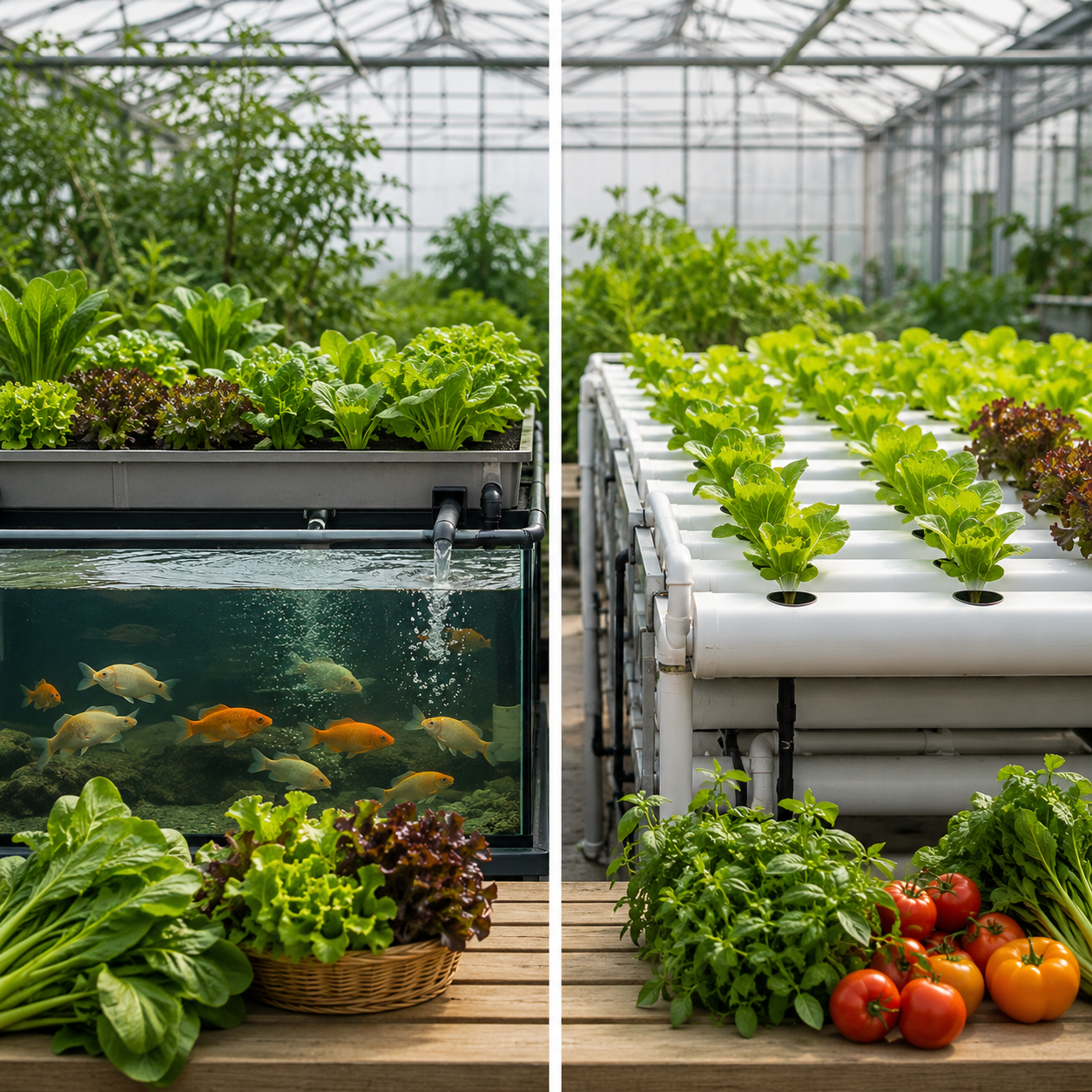
Aquaponics vs. Hydroponics: What's the Difference?
Compare the two growing methods and understand which model may be better suited to different goals and applications.
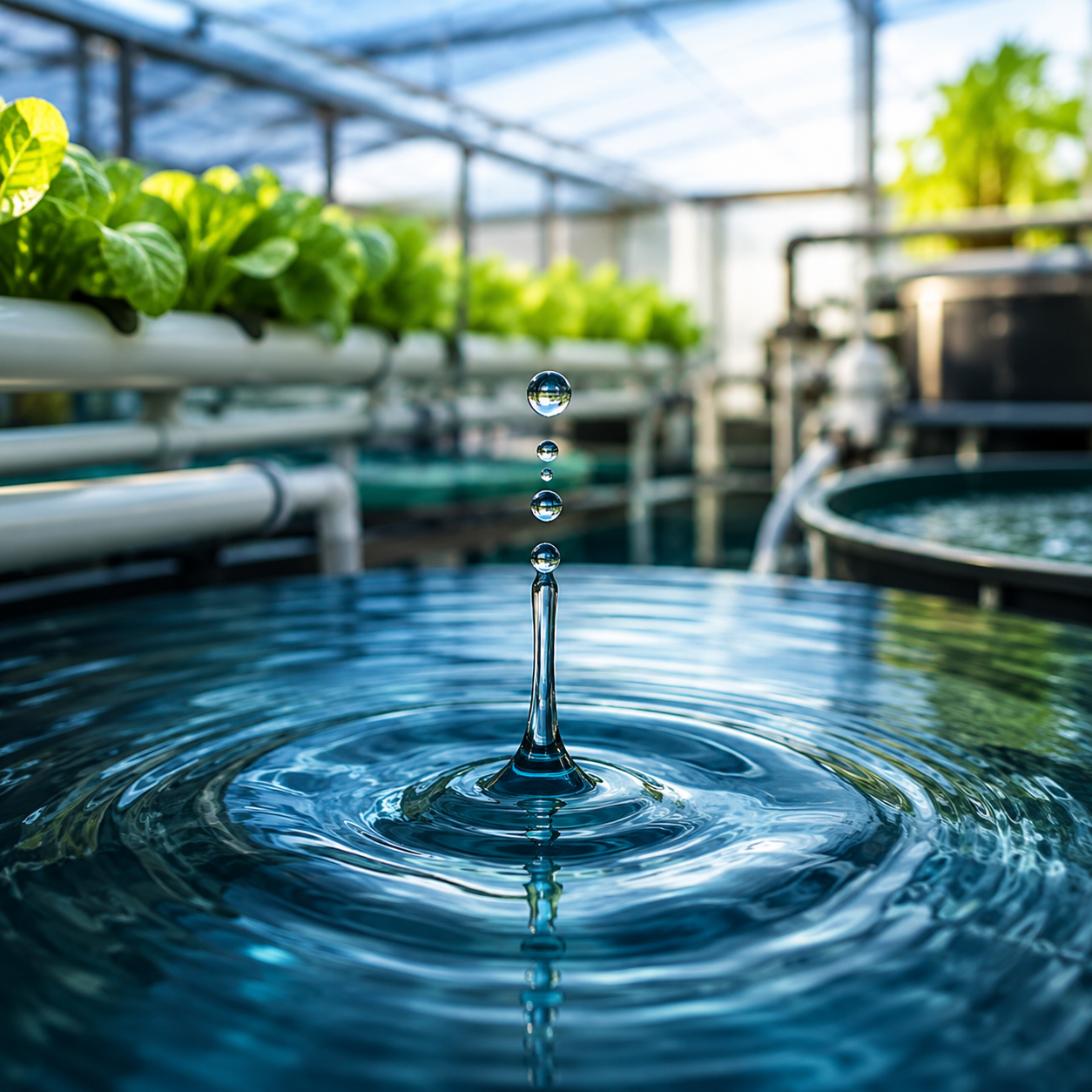
Why Aquaponics Uses Less Water Than Traditional Farming
Explore how water recirculation can reduce water consumption while supporting dependable crop production.